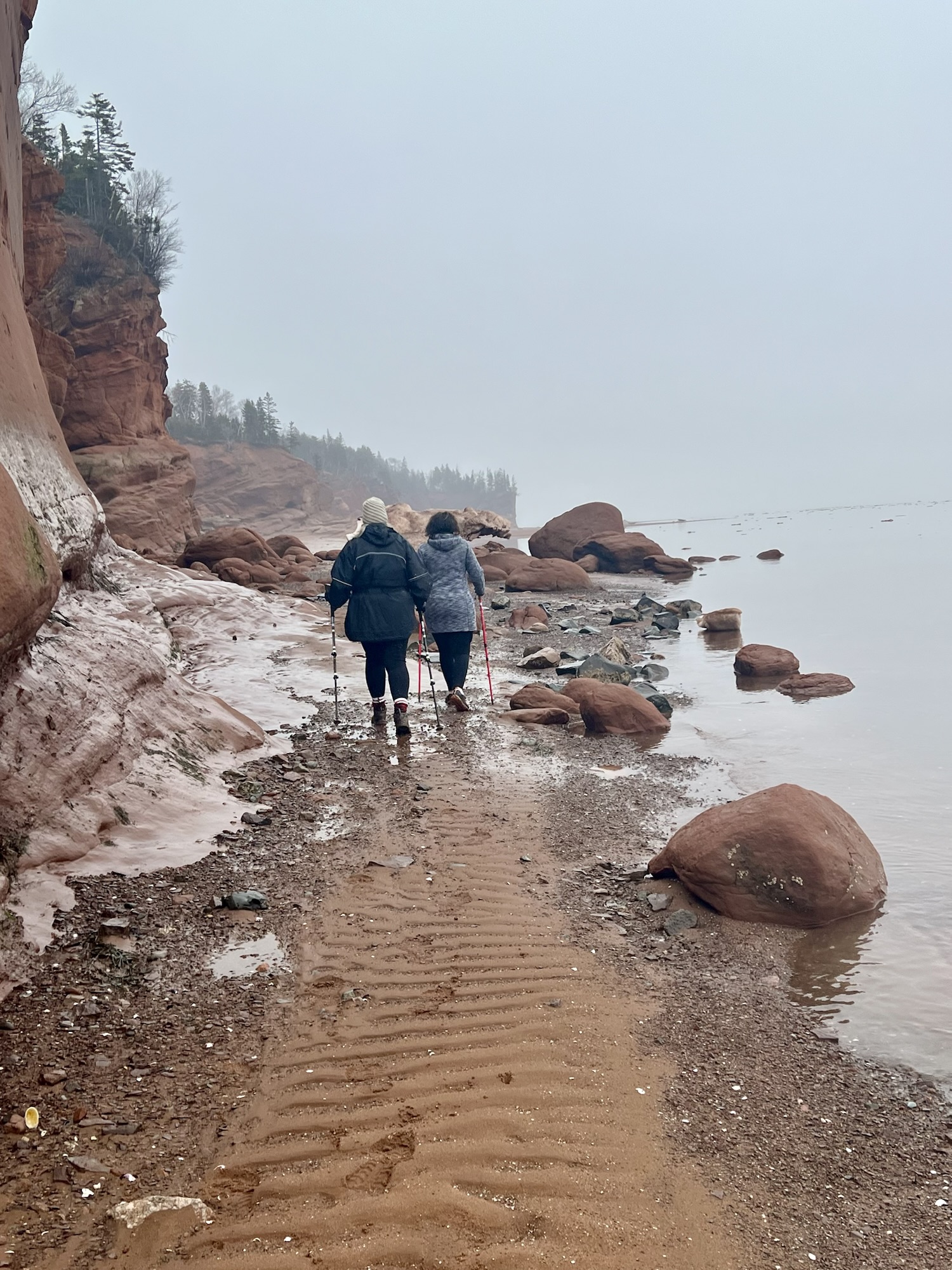
Welcome back to Part 2 of the Well-Prepared Hiker mini-series!
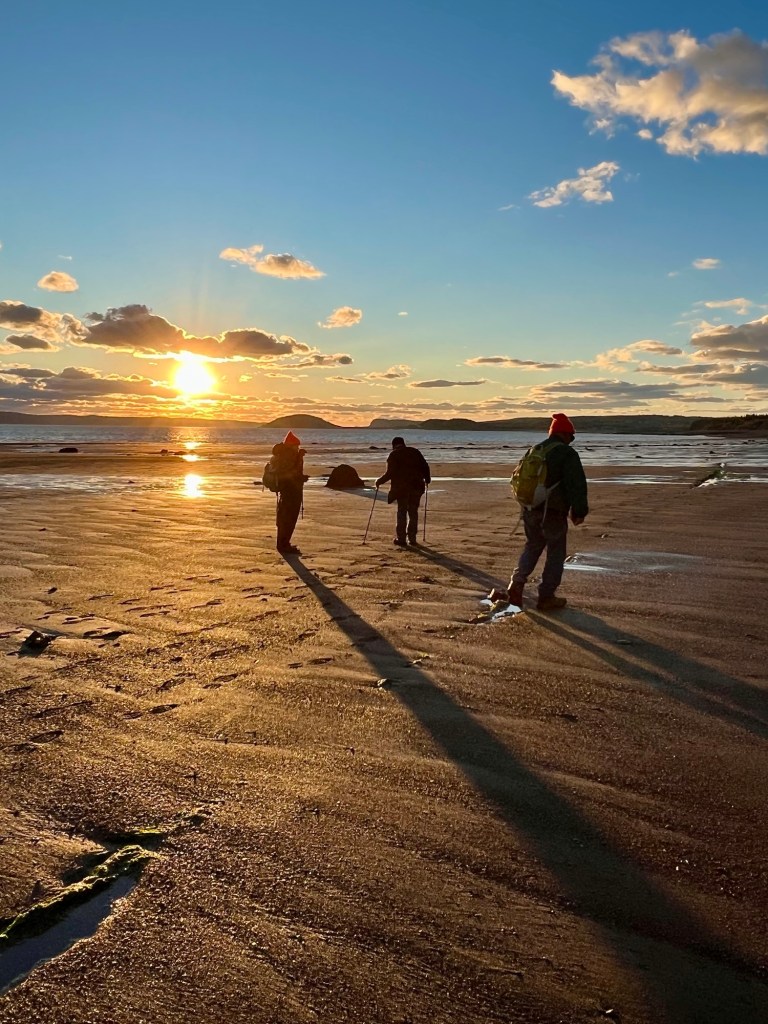
Exploring the ocean floor is hands-down the most requested guided hike we offer—and with good reason! It’s an unforgettable experience, but before we dive into essential gear in our next post, let’s first explore the landscape you’ll be walking on… and more importantly, how it changes hour by hour.
Many of our guests are amazed by the dramatic rise and fall of the Bay of Fundy tides. And if you’ve ever wondered how those changes impact your hike, you’re in the right place.
Safety First: Tides Wait for No One
We specialize in custom, or “bespoke,” tours tailored to your interests and abilities. After joining us once, many hikers feel confident enough to return on their own—and we love to see that kind of curiosity and courage! But we also urge caution.
These beaches are not easy to escape from once the tide starts rushing in. Some stretches are bordered by cliffs and pinch points, where the water rises quickly and silently. Though many beaches in the area have cell coverage, calling for help doesn’t guarantee a speedy rescue.
Local fire departments are volunteer-run. Once a distress call is made, it takes time to assemble a crew, dispatch a vehicle, and reach the location. Meanwhile, the tide can rise at a rate of 1 inch per minute in calm conditions—and faster when the wind is up. It’s no exaggeration to say that every minute counts.


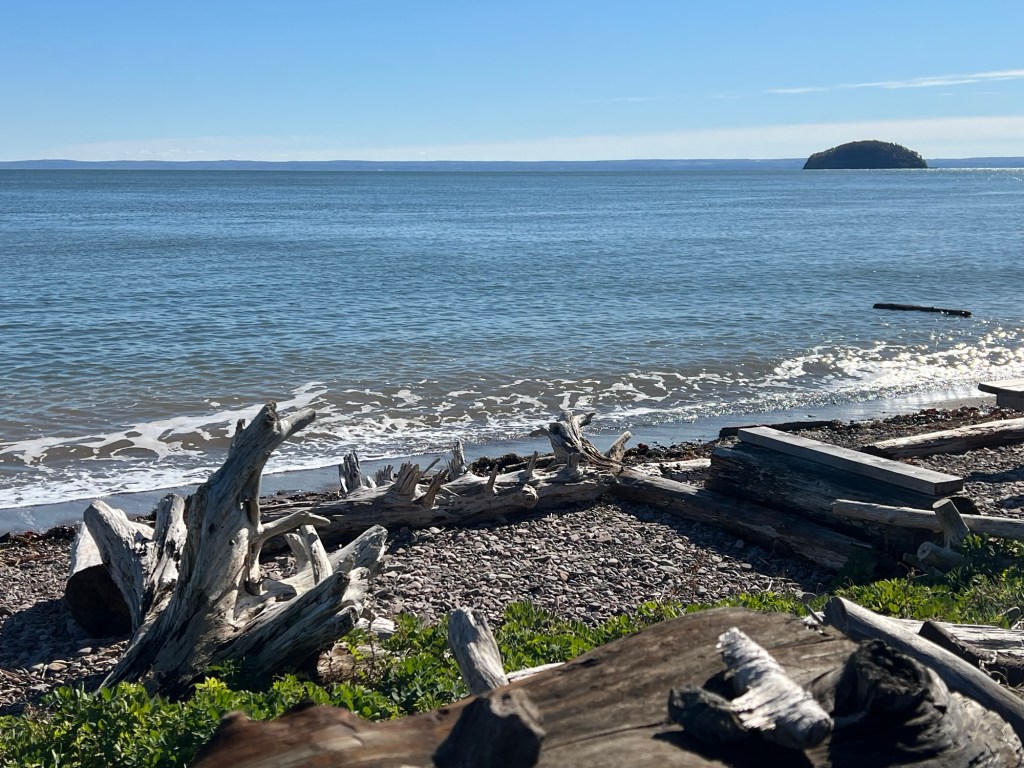
Understanding the Tides
Before planning any coastal adventure, it’s essential to understand the rhythm of the tides.
Tides are the regular rise and fall of sea levels caused by the gravitational pull of the Moon and the Sun, along with Earth’s rotation. Think of it like two giant invisible hands tugging at our oceans—one lunar, one solar—creating a kind of watery breathing pattern.
You’ll usually notice two high tides and two low tides each day, roughly 12 hours and 25 minutes apart. But these tides shift slightly from day to day due to the Moon’s orbit. That’s why a low tide that happened at 10:00 AM today might occur at 10:50 AM tomorrow.
Every few days, you’ll also notice bigger changes in water height—spring tides (especially high and low tides) and neap tides (more moderate changes). These are caused by the Sun and Moon lining up—or working against each other. We’ll dig into those differences more in a future post.
How to Read a Tide Table (Without Getting Lost)
A tide table might look like a jumble of numbers at first glance, but it’s your key to planning a safe outing. Every table lists times and heights of high and low tides for a specific tide station—and here’s where it gets critical.
Each coastal region has its own station, and tide times can vary significantly across even short distances. For example:
- Parrsboro and Advocate Harbour have their own stations—don’t confuse them.
- West Advocate has slightly different timing than Advocate Harbour proper.
- Heading south toward Economy, you’ll see shifts of up to 30–45 minutes.
So, always make sure you’re looking at the correct tide station for your destination!
Some examples of tide tables for the places mentioned above:


Planning Around Low Tide Windows
Two terms are especially helpful:
- Height of High Water tells you how far the tide will reach inland.
- Time of Low Water tells you when the ocean will retreat to its lowest point—this is your window for beach exploration.
By using these markers, you can plan your departure and return with the tide in mind, leaving a wide margin for safety. Our guided hikes are carefully timed to maximize your adventure time while ensuring you’re off the beach well before the water returns.


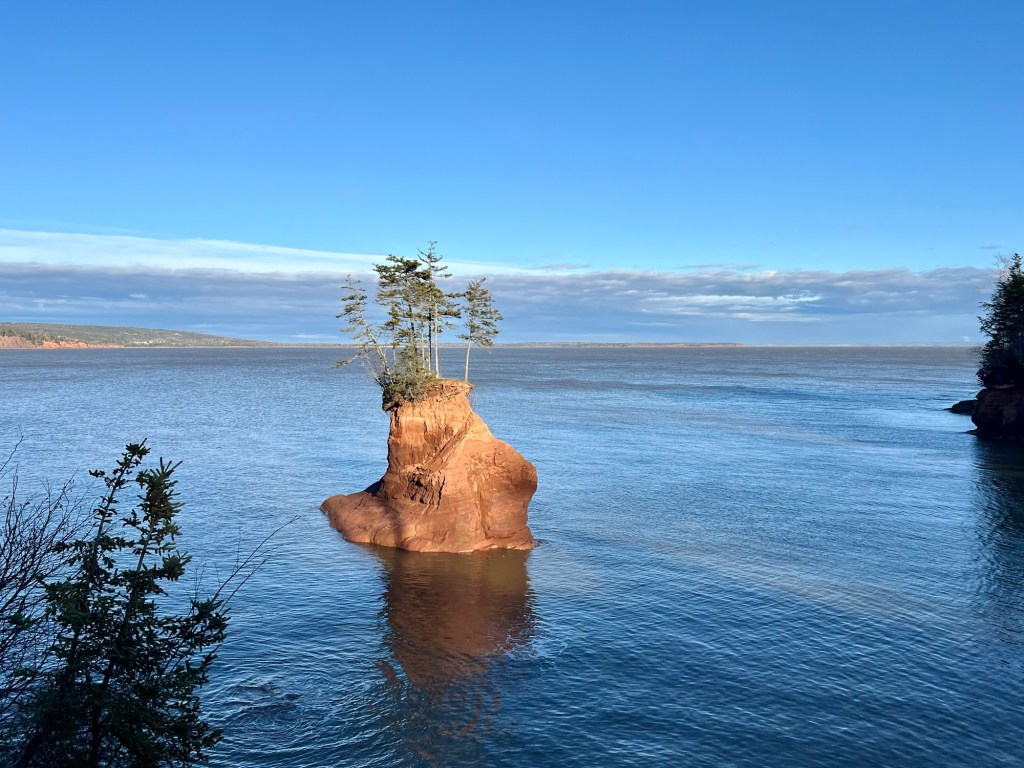

Terrain Talk: What’s Underfoot?
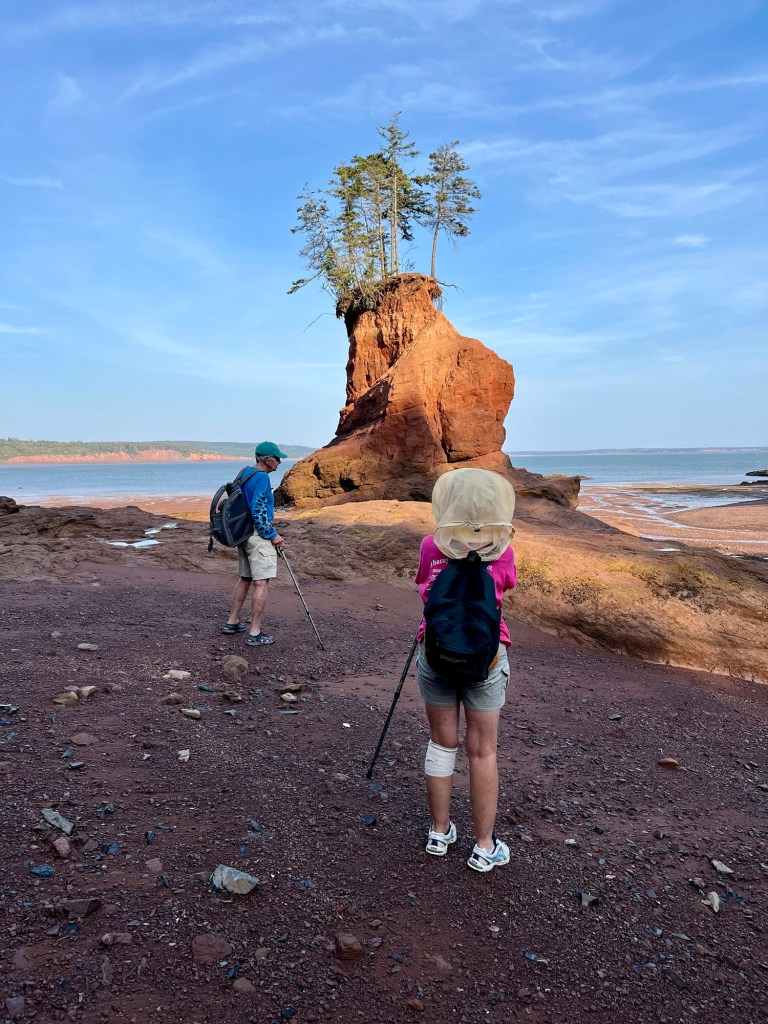
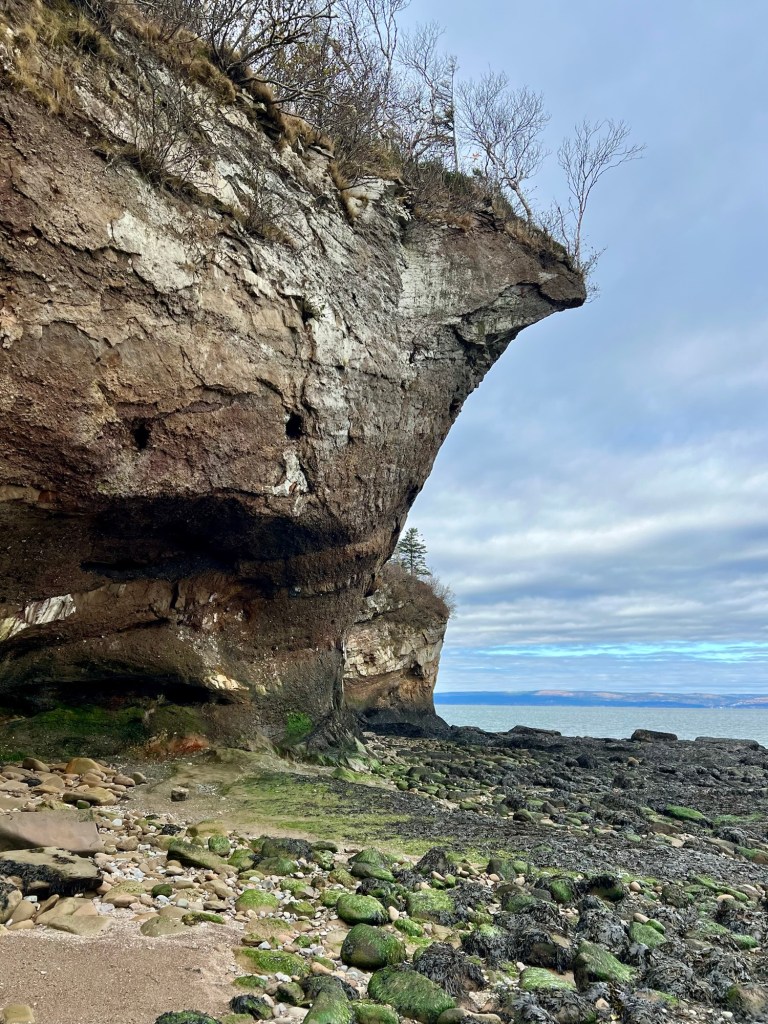
The beaches along the Cliffs of Fundy UNESCO Geopark are incredibly varied. Depending on where you go, you might find:
- Sandy flats, where the walking is easy and fast,
- Pebble-strewn stretches, which add some texture but little challenge,
- Fist-sized rocks, which require more balance and slower movement, or
- Seaweed-covered boulders, which can be wet, slippery, and require hands-on scrambling.
Navigating the more difficult sections is like a full-body experience—we use our hands for balance, our eyes for route-finding, and our feet for testing each step. Shoes will get wet, hands might get a bit slimy, and your pace will slow—but that’s all part of the adventure.
Being honest about your ability level and past hiking experience helps us craft a custom route that’s challenging, rewarding, and most of all—safe.


One Last Word of Encouragement
If all this talk of tides and terrain sounds a little daunting, don’t worry—we’re here for that. Our guides are professionally trained, experienced, and passionate about creating a positive and safe experience for every guest.
From the moment we meet you and shake hands at our welcome encounter, we’re already making observations to adjust your route accordingly. We assess footwear, mobility, and comfort with terrain—all to make sure your excursion is something you’ll remember for all the right reasons.
Next Up: Part 3 – Essential Gear for Ocean Floor Hikers
We’ll talk about what to wear (and what not to), what to pack, and how to prepare for your guided or solo adventure.
Curious? Inspired? A little nervous? That’s perfectly normal. Hit the subscribe button or follow along to stay informed, safe, and ready to explore!
 Tide Rollers & Mudlarkers...