Welcome back to Part 3 of The Well-Prepared Hiker mini-series!
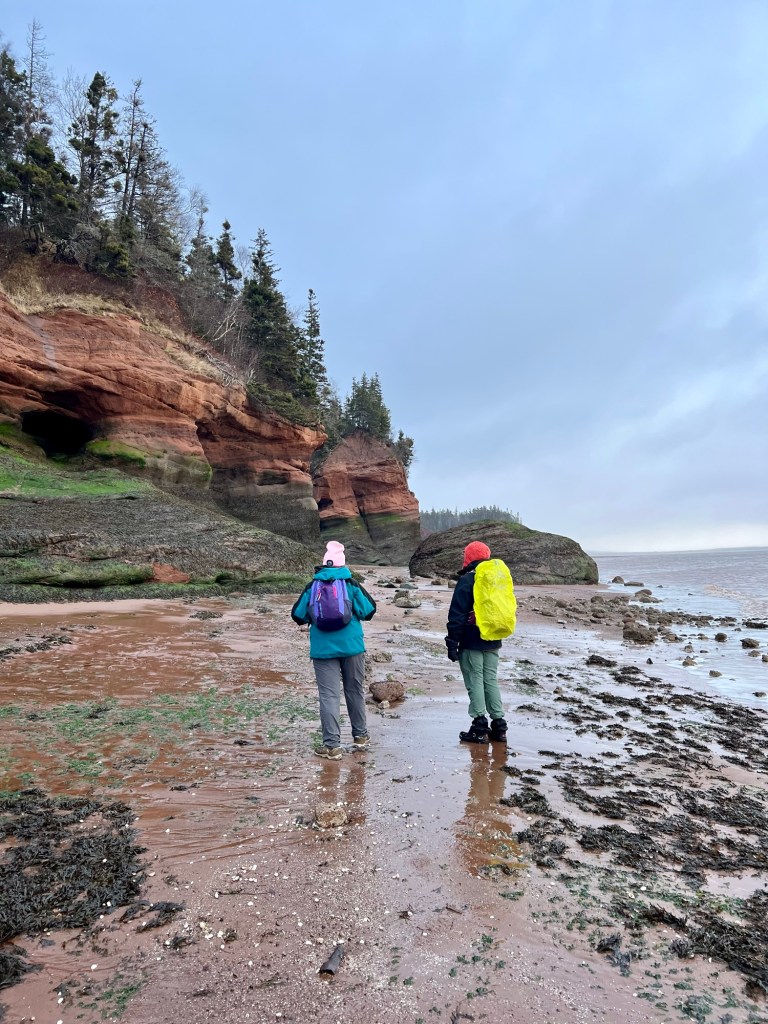
Today, we’re digging into what to wear, what to pack, and how to be prepared for all kinds of terrain and weather when walking the ocean floor. Whether you’re joining a guided tour or venturing out on your own, having the right gear can make the difference between a great day and a frustrating one.
First Things First: Footwear
Let’s start with the all-important question: what should you wear on your feet?
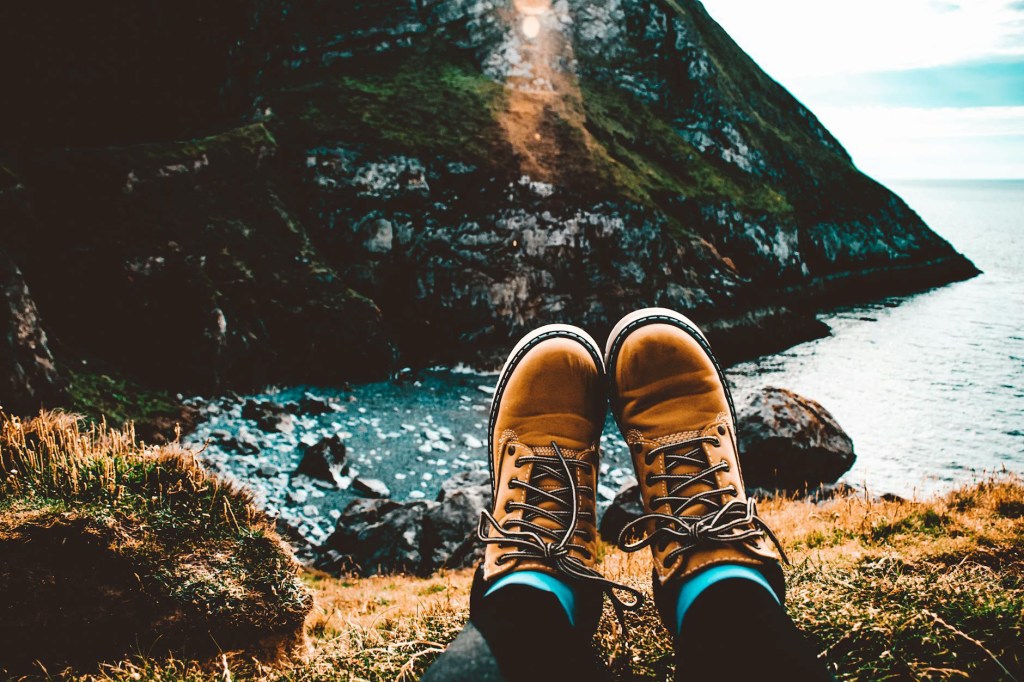
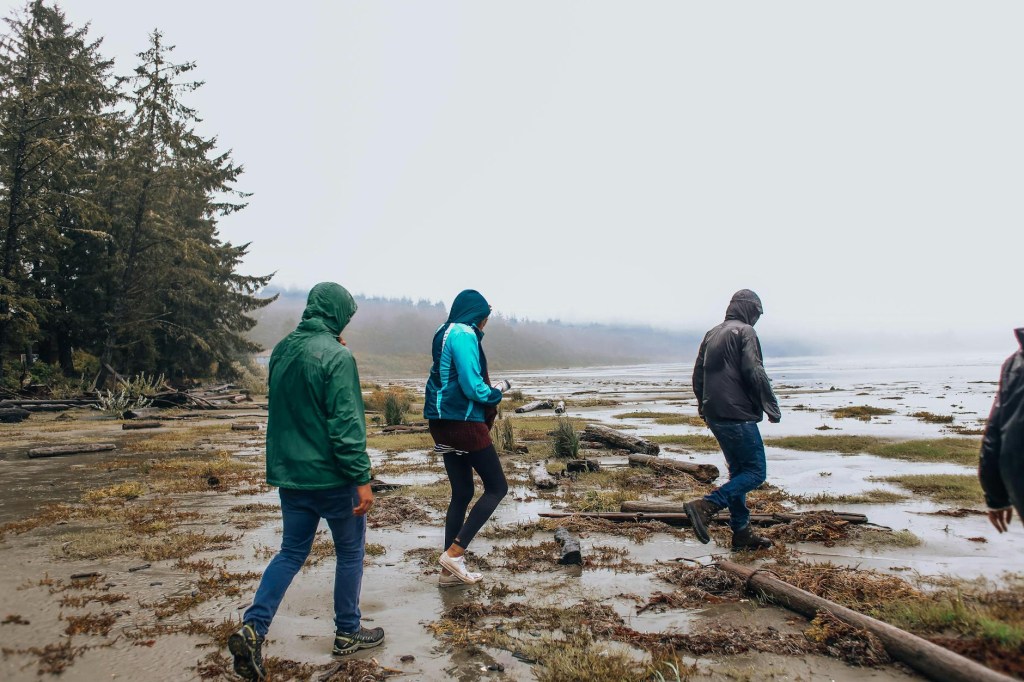
Here’s the truth: ocean floor explorers cannot be fashion shoe aficionados! While it’s tempting to grab water shoes, hiking sandals, or those old sneakers from the back of your closet, your best bet is sturdy lace-up footwear with great tread. Think sneakers, running shoes, or hiking shoes/boots.
Water shoes absolutely have their place—especially on hikes like our Two Islands Circumnavigation, where shallow pools stretch across long distances. But for most of our guided experiences, they won’t offer the grip or support needed for rocky, slippery, or uneven terrain.
You might wonder, Can I wear my favourite hiking sandals?
We understand the appeal—but unfortunately, they just don’t offer enough protection. Small rocks, sharp shells, and crispy seaweed can sneak in underfoot, forcing constant stops to shake them out. Worst of all, jagged barnacles have a way of finding the openings along the side of the sandals to cut through light-weight fabrics and nick the skin. Not only is this uncomfortable and painful, it can slow down the group and turn an exciting hike into an irritating trudge.

Dressing for the Weather (And the Unexpected)
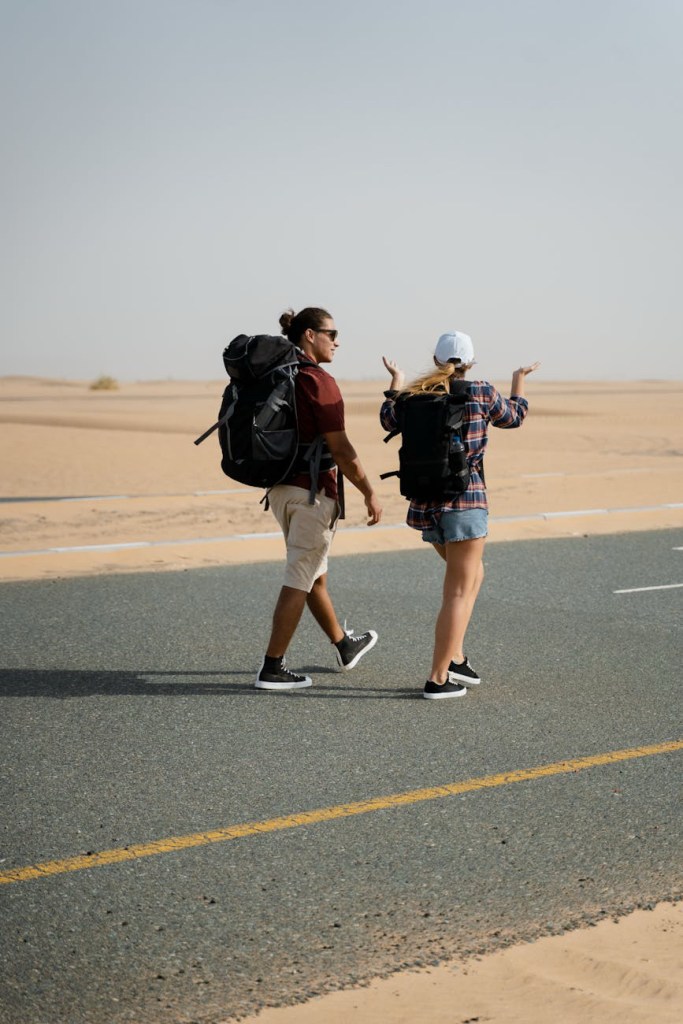
The weather along the coast can be unpredictable, even on the sunniest of days. A hot, humid morning inland might turn into a cool breeze-fest near the cliffs.
The key? Quick-drying layers that provide sun and wind protection.
Some favourites among our guides:
- Lightweight windbreakers and puffy jackets (especially in fall, spring, and on breezy days)
- Merino wool base layers, even in summer! These regulate body temperature, wick moisture, and offer natural sun protection
- Lightweight gloves and hats
- Sunscreen and lip balm with SPF


Pack Like a Pro: What Goes in Your Daypack?
Feeling a bit overwhelmed? Here’s our tip: invest in a good daypack. They’re affordable, versatile, and useful beyond the beach—for commuting, biking, or weekend hikes.
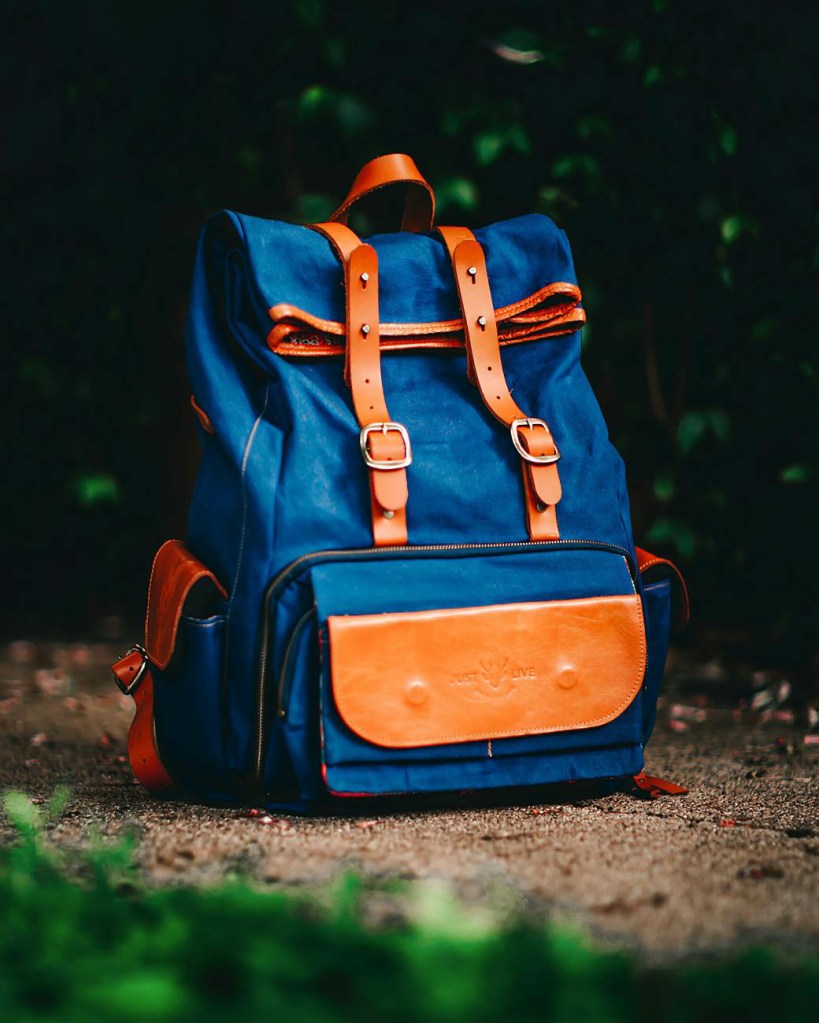
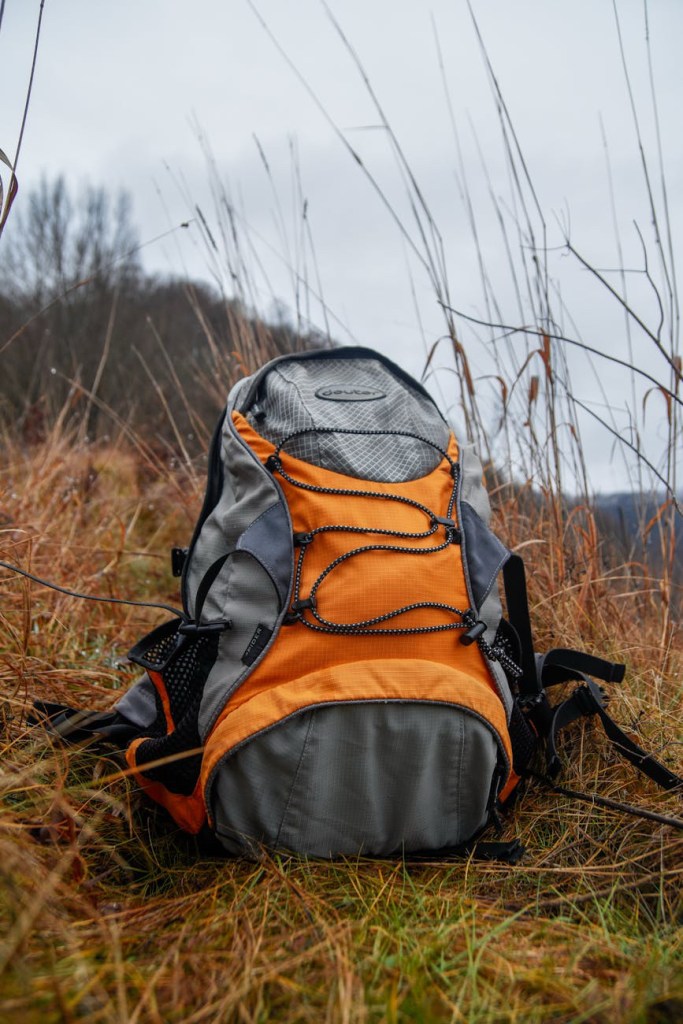
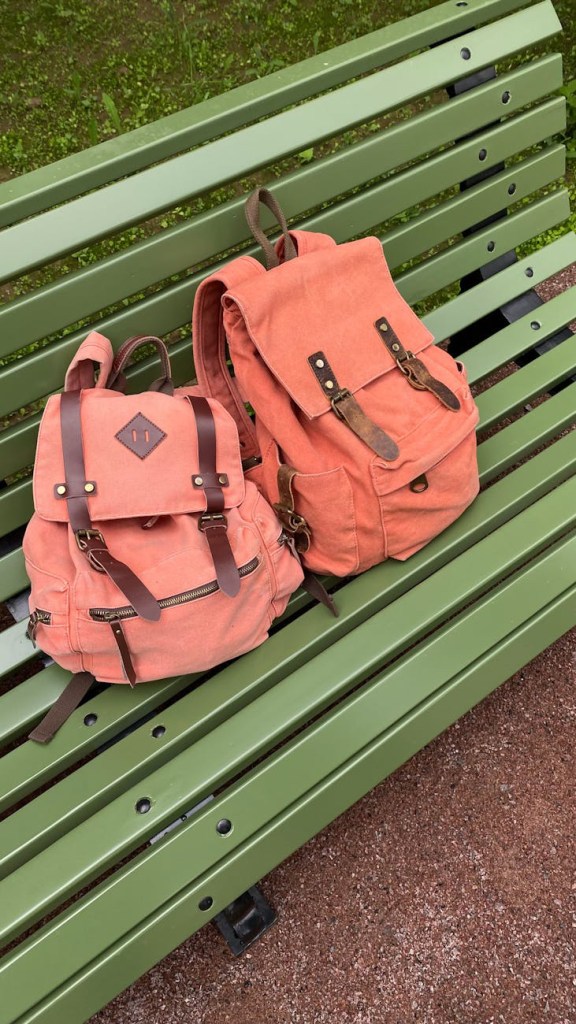
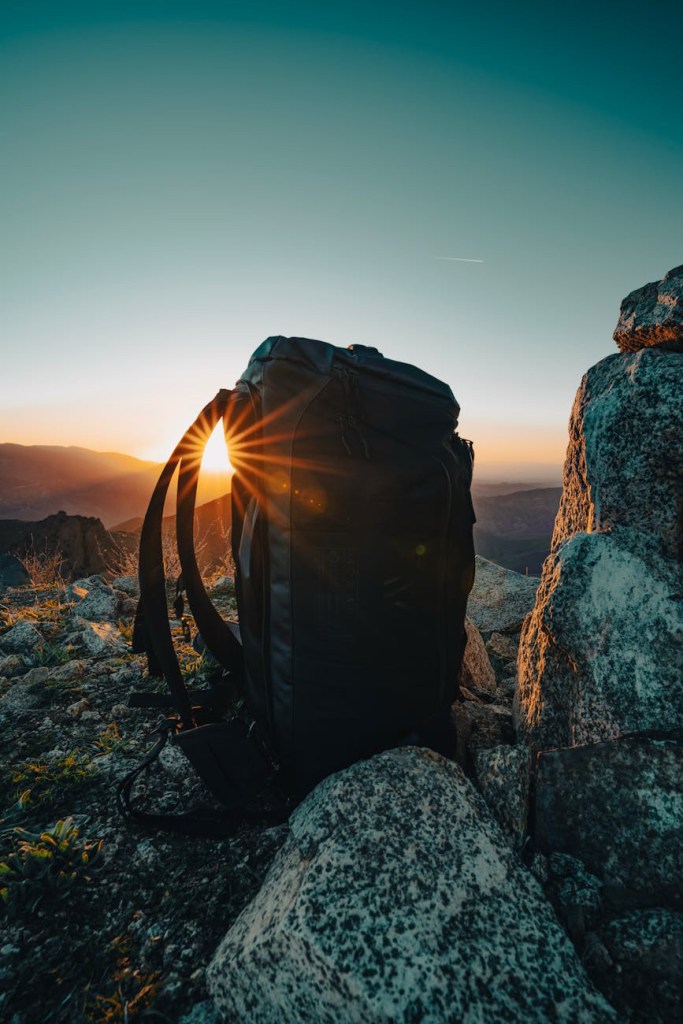
A solid daypack gives you hands-free mobility and keeps your essentials close. Here’s what we recommend packing:
- ✅ 1 litre of water per person (double that for hot days or if bringing your dog)
- ✅ A clean pair of dry socks for the drive home—trust us, you’ll thank us later!
- ✅ High-energy snacks to keep your strength up during longer treks
- ✅ Sunscreen, sunglasses, and a hat
- ✅ Your phone and/or camera for capturing beach treasures and tide-swept views
- ✅ Any personal medications you might need
What Your Guide Carries (So You Don’t Have To)
Our guides are prepared with full-sized backpacks that include:
- Extra water (for emergency backup)
- Food and picnic supplies (for longer hikes)
- A comprehensive first aid kit
- Binoculars, magnifiers, and pocket microscopes
- Rock ID info and other educational resources
- Satellite communication device
- …and a few more essentials.
We’ve got you covered—but being personally prepared is part of the adventure!
Optional (But Awesome): Trekking Poles
Before you roll your eyes and say, “Those are for old people!”—hear us out.
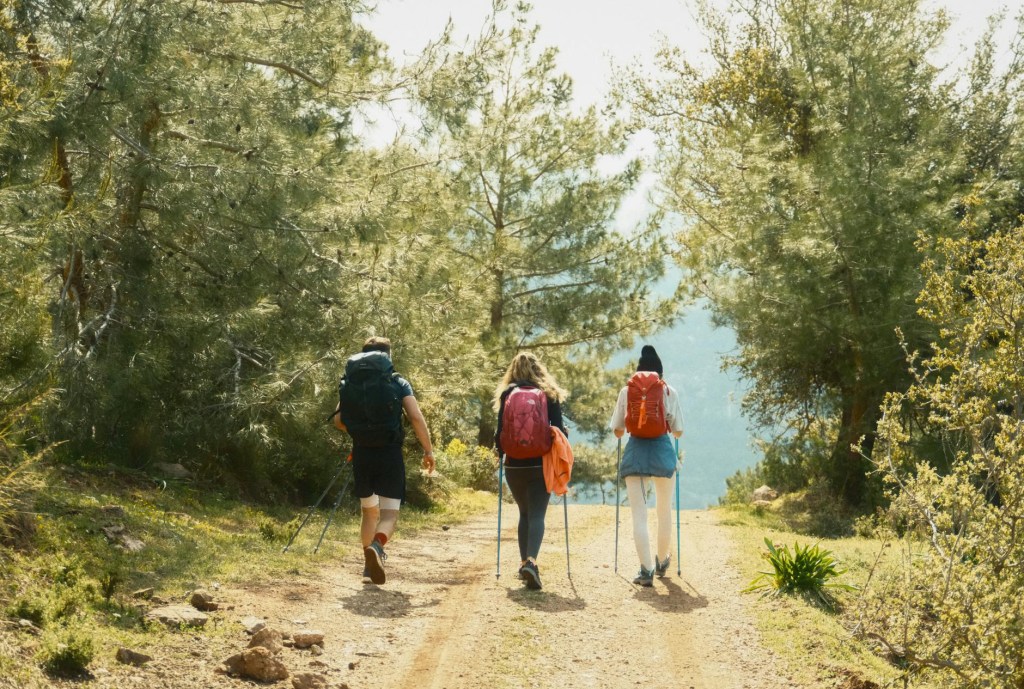
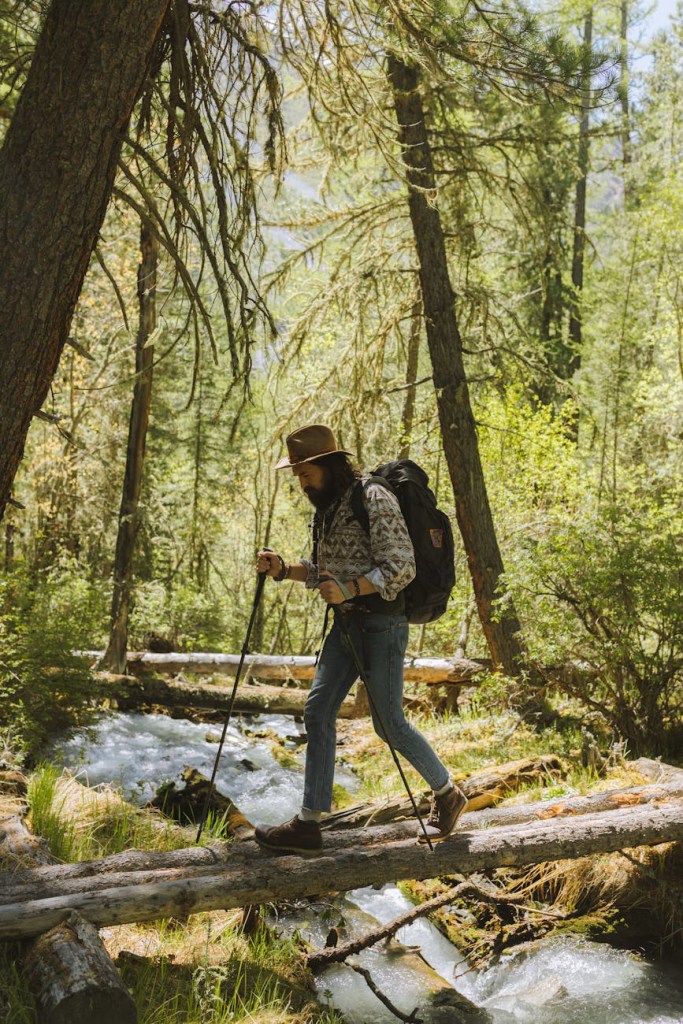
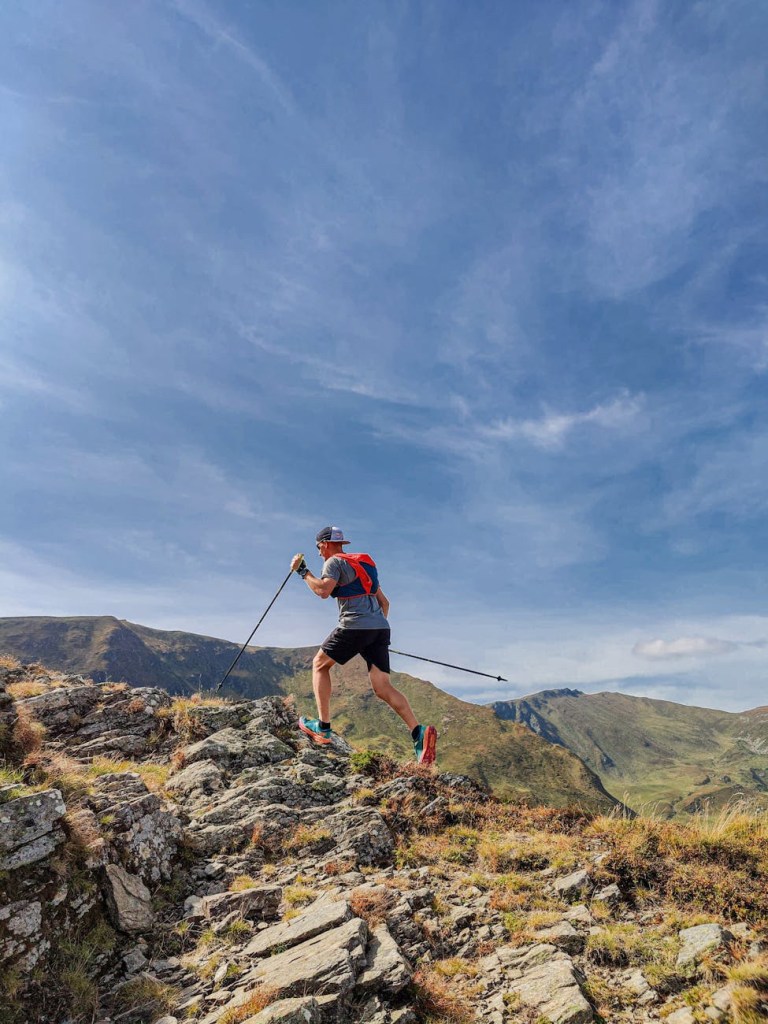
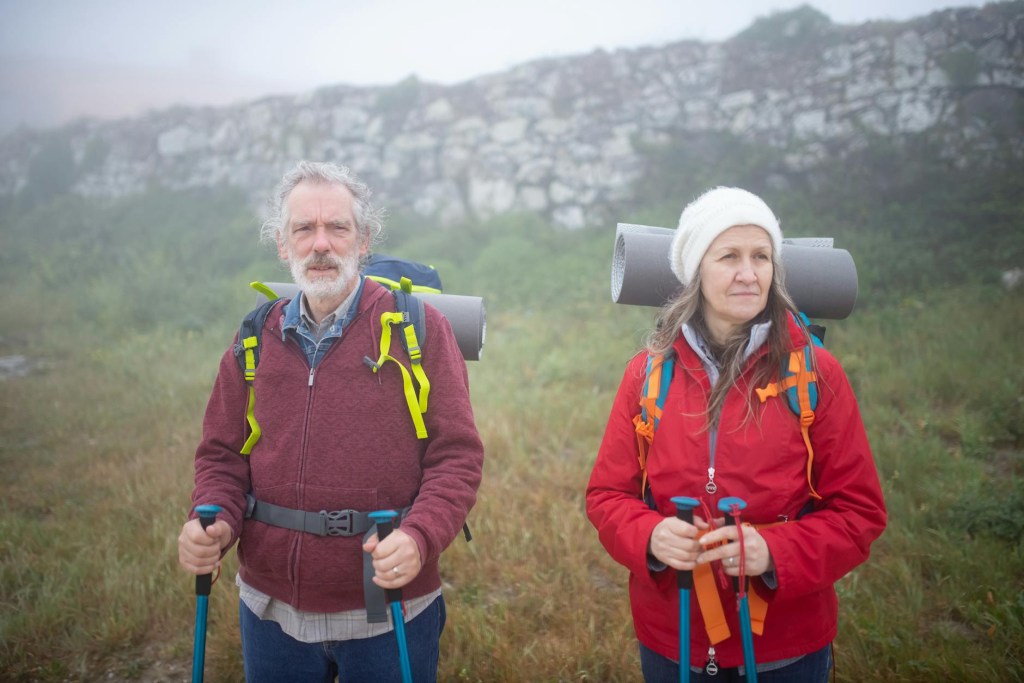
Trekking poles are game-changers on uneven terrain. They help with balance, reduce impact on your knees (by up to 10%!), and turn your walk into a full-body workout.
Going uphill? They help propel you forward.
Descending? They stabilize your pace and cushion your knees.
We always bring along several pairs of height-adjustable poles for guests to try. Once you’ve used them, you may never go back!


Final Prep: Tides & Weather Apps
Being informed is being safe—and stress-free.
At home, we recommend the Government of Canada’s official tide site. On the go, we love the Tide Pro app. It predicts tides up to 28 days in advance, displays sunrise/sunset, moon phases, and even wind conditions. The paid version is especially reliable and well worth the small investment.
Other apps we swear by:
- Windy.com for wind and weather trends
- Weather Live for up-to-the-minute local conditions
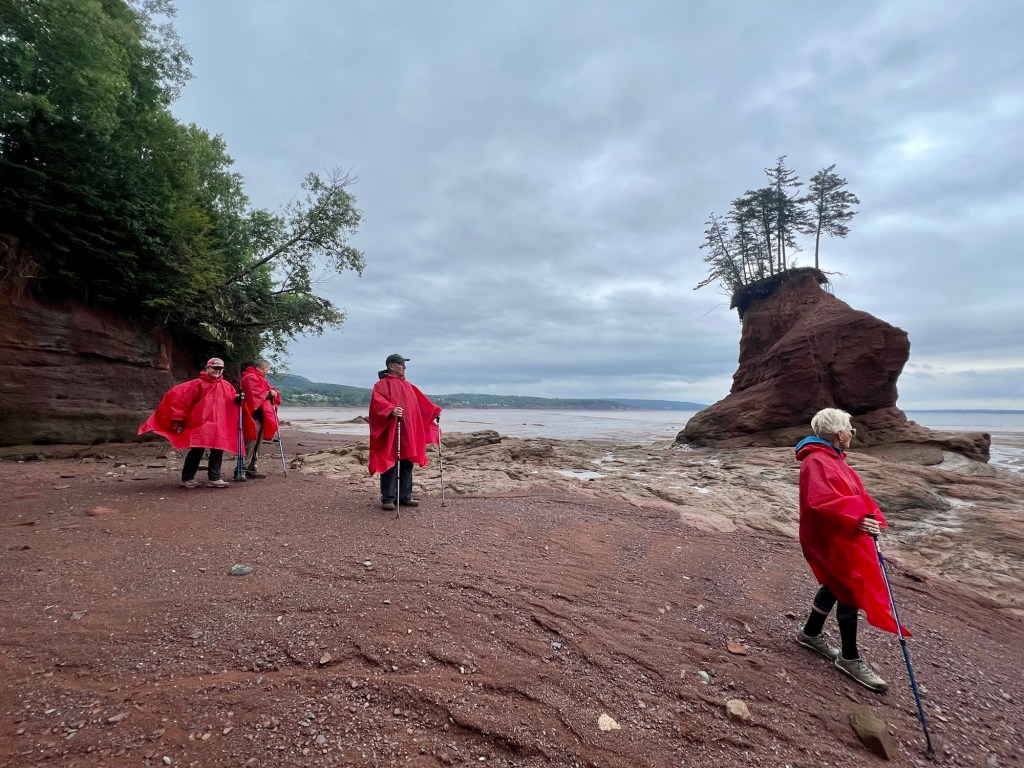
While weather rarely cancels our tours, thunderstorms are the one exception. We don’t take chances—we clear the beaches early and reschedule if possible. Otherwise, a bit of drizzle won’t stop us. Rain ponchos are always provided!
That wraps up Part 3: Gear Guide for Ocean Floor Adventures.
Stay tuned for Part 4: Safe and Fun Beach Exploring with Kids—we’ll cover what to bring, how to keep little ones safe, and the best beach zones for family-friendly adventures.
In the meantime, pack smart, hike safe, and remember: the right gear doesn’t just prepare you—it empowers you to enjoy every step of the journey. 👣
 Tide Rollers & Mudlarkers...