
Welcome back to the sixth and final installment of The Well-prepared Hiker mini-series!
Today, we explore the 7 Principles of Leave No Trace — a simple yet powerful framework for minimizing our impact when we venture outdoors. These guidelines apply everywhere: remote wilderness areas, local parks, even our backyards.
Here’s how the Leave No Trace organization describes it:
“Each Principle covers a specific topic and provides detailed information to empower individuals to minimize their impacts. The Principles are well-established and widely known, but not static. Leave No Trace continually examines, evaluates, and reshapes the Principles through research and collaboration with biologists, land managers, and outdoor educators.”
Let’s dive into each Principle, and see how they apply — especially when walking on the magical ocean floor of the Cliffs of Fundy UNESCO Geopark!
- Plan Ahead and Prepare
Research local regulations and tide times before visiting coastal areas.
Be ready for extreme weather and hazards like actively eroding cliffs.
Travel during less busy times and, where possible, keep group sizes small. This ensures a safer, richer experience — and allows for more personalized guidance and learning!
Repack food into reusable containers to minimize waste.
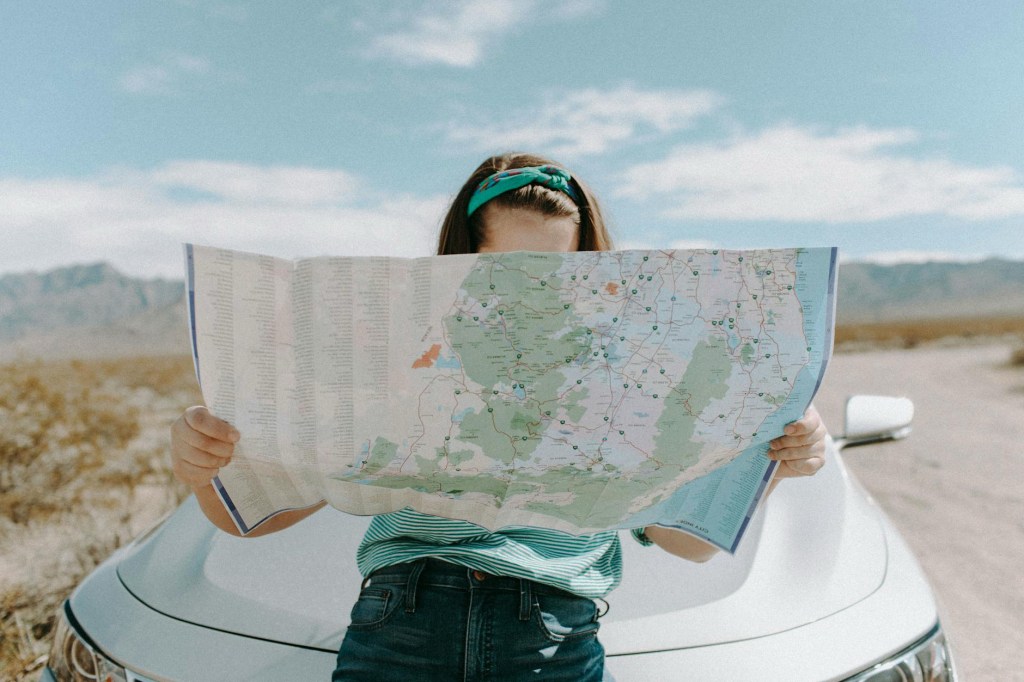
Use maps and compasses to navigate — avoid leaving markers like flagging tape, paint, or rock cairns. - Travel and Camp on Durable Surfaces
Stick to established trails, gravel, dry grasses, and rocks.
Remember, Fundy beaches are naturally “wiped clean” by the tides twice daily — but camping on the beach is discouraged due to unpredictable water levels.
On land, camp at least 200 feet away from lakes and streams to protect fragile ecosystems.
A good campsite is found, not made — avoid altering the landscape.
Walk single file in the middle of the trail, even if it’s muddy, to minimize widening paths. - Dispose of Waste Properly
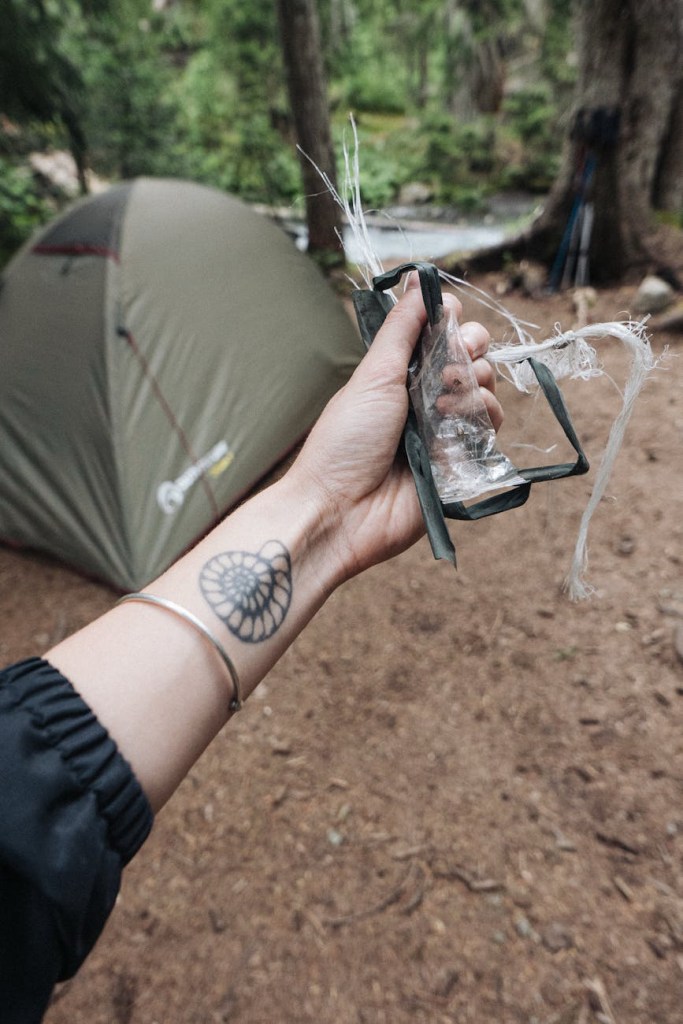
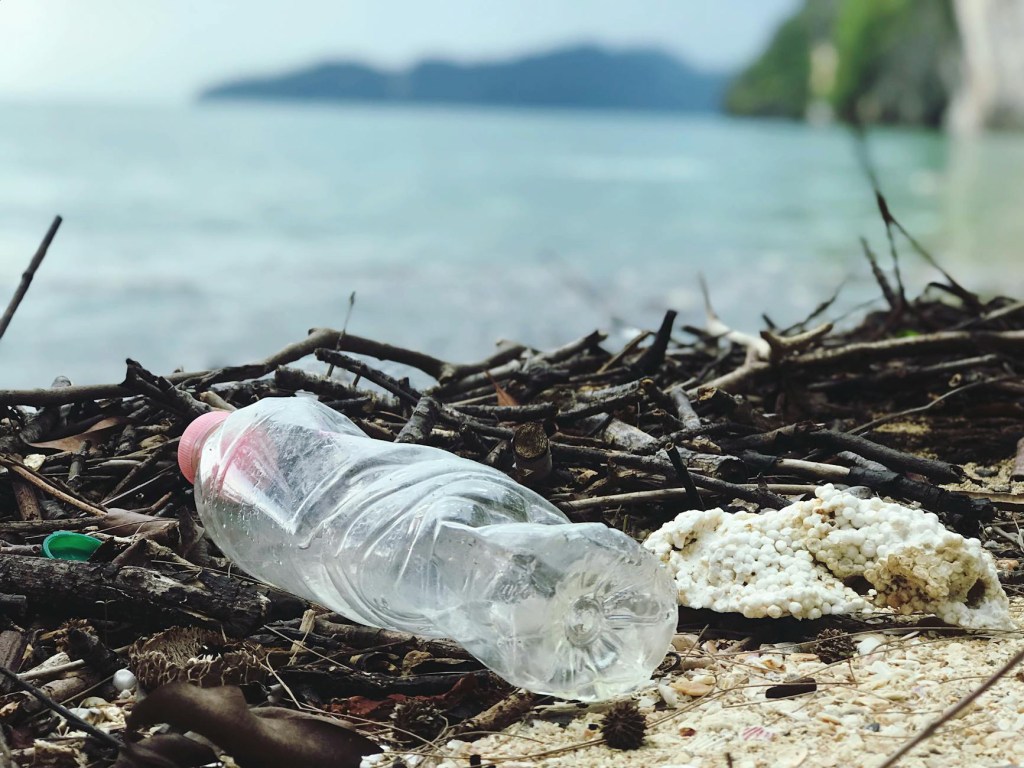
Pack it in, pack it out — every scrap, every time.
Before leaving a site, double-check for litter, leftover food, and micro-trash.
Food waste harms wildlife and degrades the natural beauty we come to enjoy. - Leave What You Find
Preserve the past: admire but don’t disturb cultural or historic artifacts.
Leave natural treasures — shells, driftwood, rocks — where they belong. They all play crucial roles in the ecosystem!
Rock hounding might be a popular pastime, but it has no place in a UNESCO Geopark where we are actively pursuing the preservation of the region for generations to come.
Clean your boots thoroughly after each hike to prevent the spread of invasive species.
Avoid building structures or digging trenches. - Minimize Campfire Impact
Use a lightweight stove for cooking, and a headlamp for light instead of open flames.
Where fires are permitted, use established fire rings or fire pans.
Keep fires small, use dead wood found on the ground, and ensure fires are fully extinguished and cold before scattering ashes.
Always check for local fire bans, especially with rising wildfire risks. - Respect Wildlife
Observe animals from a distance — never approach or feed them.
Feeding wildlife damages their health and behaviour and can put them (and you) at risk.
Keep pets leashed and under control; pick up after them.
Avoid disturbing wildlife during sensitive periods like mating, nesting, or raising young. - Be Considerate of Other Visitors
Protect the outdoor experience for everyone.
Yield to others on the trail; greet equestrians and ask which side to move to.
Take breaks away from trails and campsites.
Let nature’s sounds prevail — keep voices low and avoid playing music aloud. Remember: sound carries!



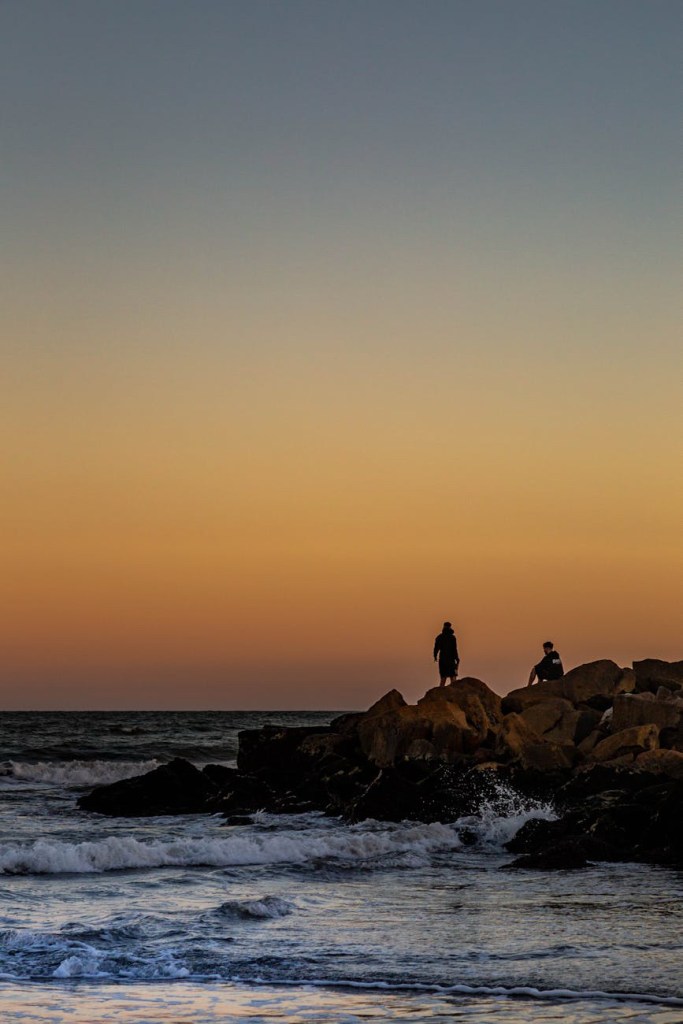
In Closing: Stewardship Begins Young
Teaching children to care for nature starts with setting a good example.
Nature walks, beach adventures, and participating in clean-ups as a family build lifelong respect and responsibility toward our environment.
Actions speak louder than words — and learning by doing is powerful.
Get outside, explore, and let the wonder of nature nurture stewardship naturally!




Sources: Leave no Trace – Canada and personal guiding experiences and practices.
🌿 Thank you for following along over the past ten days!
This wraps up The Well-prepared Hiker mini-series — I hope it’s been informative and inspiring.
Feel free to download, share with friends and family, and reach out with questions or suggestions.
Don’t forget to click follow for more outdoor inspiration—it helps boost the algorithms and keeps these adventures going. Thank you!
 Tide Rollers & Mudlarkers...